

You may use AA, SMART Recovery, or other support groups to help you in this process. The term harm reduction is becoming more accepted in Alcohol Relapse the world of recovery. Harm reduction usually implies that you still desire sobriety; however, you seek it in a different fashion.
- First, take yourself out of any situations you know are of highest risk for you to use alcohol.
- Meet new people and create new social circles that encourage your recovery.
- This means removing alcohol-related items from your home, encouraging them to try out new hobbies and activities and just being there to listen when they are experiencing alcohol cravings or difficult moments.
How to Create a Relapse Prevention Plan
- Access State-Specific Provider Directories for detailed information on locating licensed service providers and recovery residences in your area.
- A relapse is a longer, more intentional return to alcohol abuse but you may still experience extreme feelings of guilt.
- Indeed, both preclinical and clinical studies suggest a link between anxiety and propensity to self-administer alcohol (Henniger et al. 2002; Spanagel et al. 1995; Willinger et al. 2002).
- Some people never fully recover, but they learn to cope with symptoms of the disease.
- This mindset is exactly how people fall back into old patterns and ways of behaving, which inevitably leads back to drinking.
- Often, the initial image of relapse you may imagine is when a person either in short– or long-term recovery starts drinking again.
A missing piece of the puzzle for many clients is understanding the difference between selfishness and self-care. Clinical experience has shown that addicted individuals typically take less than they need, and, as a result, they become exhausted or resentful and turn to their addiction to relax or escape. Part of challenging addictive thinking is to encourage clients to see that they cannot be good to others if they are first not good to themselves. In late stage recovery, individuals are subject to special risks of relapse that are not often seen in the early stages.
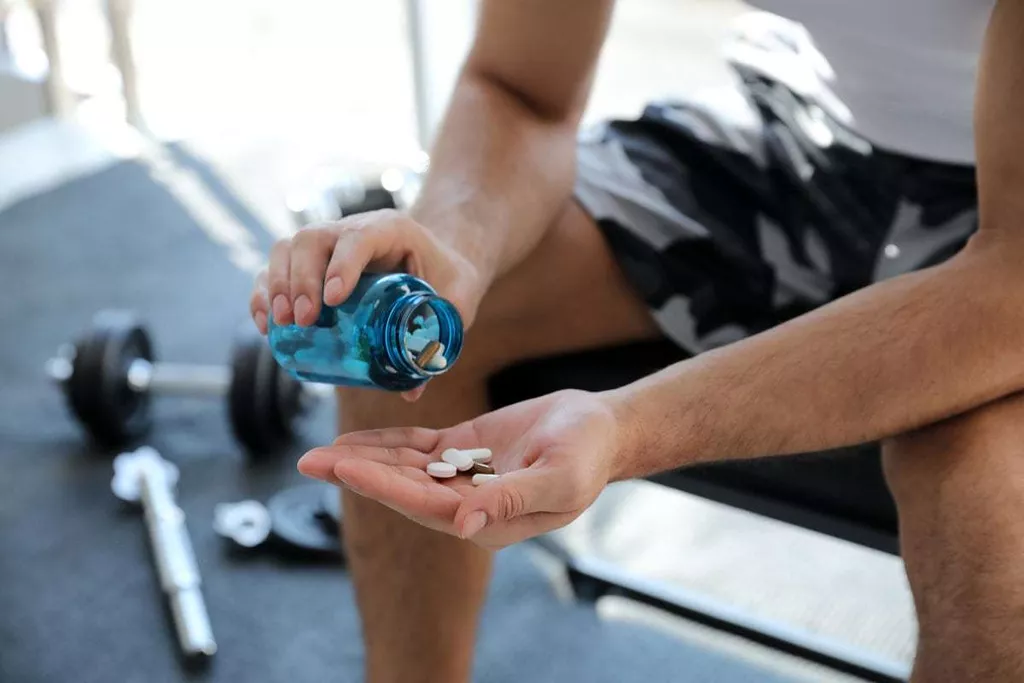
Phase 3: Physical Relapse
Second, understand that emotional ups and downs are completely normal. A lot of people experience depression and anxiety when they quit drinking. Imagine your best friend going through what you’re experiencing and give yourself the care and support you’d give them. Relapse isn’t the end of the journey; it’s only a setback and gives you the opportunity to learn. The second pathway involved in the biological stress response is the autonomic nervous system, comprising the sympathetic and the parasympathetic components. The sympathetic component mobilizes arousal by increasing heart rate and blood pressure; the parasympathetic component enforces the “brakes” for sympathetic arousal and functions to decrease and regulate autonomic function.
What Is a Relapse, and Is Relapse a Failure?

Explore new options to connect with new people who understand the struggles of addiction. Contacting the supportive people in your life can have a tremendous impact on cravings what is alcoholism and relapse. Regardless, it is important to consider the following items when creating a relapse prevention plan.
- Admitting to a person or people who you know can provide support–especially clinical support–is one of the first steps.
- Substances of abuse change the way that the brain operates, causing people to compulsively seek addictive substances despite harmful consequences.
- Self-care can also mean taking better care of your emotional needs.
- A person who spends time around heavy drinkers or finds themselves in high-stress situations without proper coping mechanisms is more likely to relapse.
How to Identify Your Triggers
These circumstances can lead to a relapse of drinking at the level before you entered treatment. Relapse can affect your recovery journey, but returning to a problematic level of alcohol use suddenly is also dangerous because your body may have lost tolerance. You may be at significantly higher risk of alcohol poisoning and other acute health issues.
Speak to addiction Specialist 100% Free and Confidential
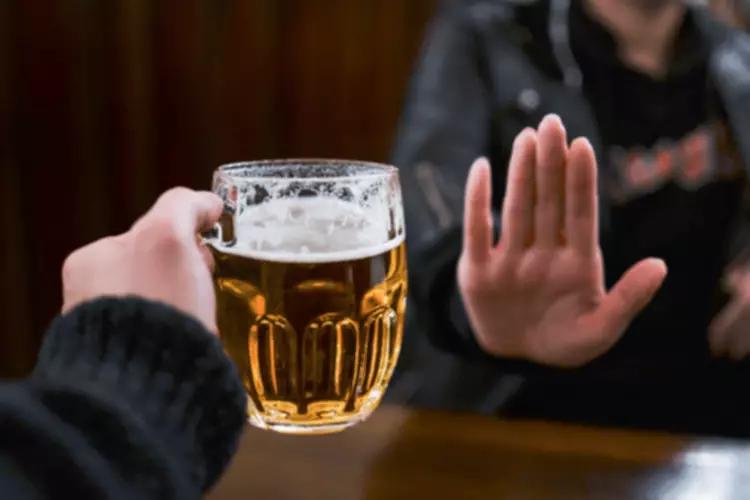
Alcoholism is a chronic disease that https://ecosoberhouse.com/article/anger-and-alcoholism/ takes months or years of treatment and support to recover from. It takes years to conduct studies on people recovering from alcoholism. That’s why 2017 and 2018 alcohol relapse statistics aren’t available yet. However, studies published in recent years provide a picture of current relapse rates.
It involves establishing a safe space where the person in recovery can be heard and understood, without judgment or criticism. Setting SMART Goals for Successful Prevention is one of the essential steps to prepare for relapse prevention planning. It involves creating specific, measurable, achievable, relevant, and time-bound goals that help individuals and their families work towards a successful recovery journey. I, _______________________, commit to using this relapse prevention plan to support my recovery journey. I understand that recovery is a process, not a destination, and I am committed to doing the work necessary to maintain my sobriety. Addictive disorders are widely recognized as chronic conditions that often involve relapses.

You’re visiting your former drinking spots and hanging with old drinking buddies again.
Feelings of irritability, low mood, and discontent that often come in early sobriety can trigger a relapse as well. Have you ever had that feeling where a certain fragrance suddenly takes you back to your childhood? It is a romantic notion but the actual reason this occurs is that smell is connected to the part of the brain that triggers memory.